

EMOTIONAL DISTRESS AND PSYCHOLOGICAL IMPACTS AFTER BEING IN AN ACCIDENT
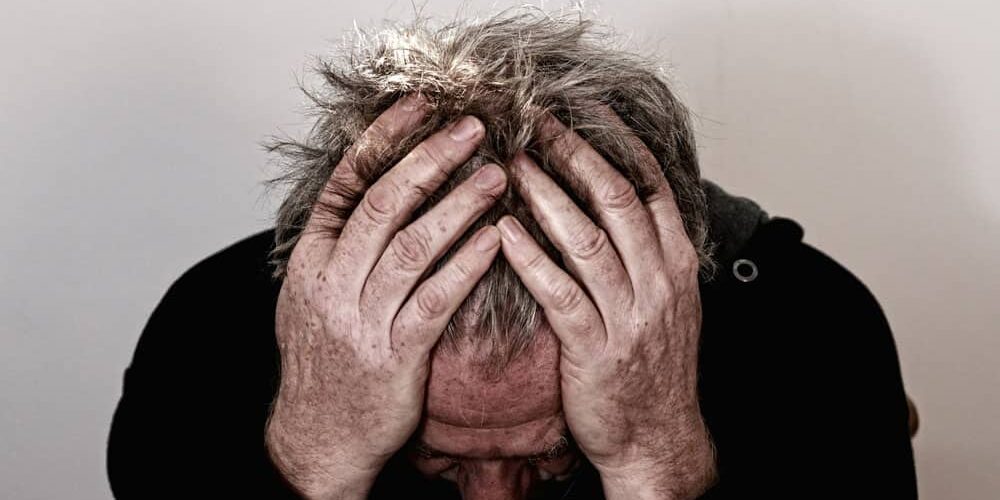
Sometimes injuries go beyond broken bones and bruising and also have an emotional and psychological impact on the victim. If you or a loved one has been injured in a car accident or some other form of negligence or harm, the party responsible for your injuries could also be liable for the emotional distress and psychological impacts related to the incident.
In the days and weeks after a collision, many people feel “off” in ways they can’t immediately explain. The mind and body can react to a traumatic experience with heightened alertness, irritability, or a sense of dread that appears out of nowhere. For some, the psychological effect is short-lived. For others, the impact can deepen over time, especially when physical symptoms, financial pressures, and uncertainty about the future begin to compound the stress.
It is also common for people to minimize what they are feeling because there is no visible cast or bandage. But emotional harm is real, and it can interfere with relationships, work, and basic functioning. If you are struggling with trauma after an accident, it is important to treat those symptoms with the same seriousness as any physical injury.
WHAT DOES EMOTIONAL DISTRESS AND PSYCHOLOGICAL IMPACTS INCLUDE?
Emotional distress and psychological harm can take on many forms and stem from a number of factors. These could include the stress that comes from the financial burden that follows an accident, and how your life may feel like it is turned upside down. It could also stem from problems adjusting to work or difficulties sleeping.
Moreover, it may include fears and phobias around driving if you’ve been involved in a car accident. Therefore, the mental anguish that victims can endure can encapsulate a wide variety of things, and it is important that you communicate all of your symptoms to your doctors and lawyer.
Common signs people report after a traumatic incident
Psychological symptoms can be subtle at first. You may notice persistent sadness, a shortened temper, or a feeling of detachment from the people around you. Some clients describe an ongoing “fight-or-flight” response, being easily startled by loud sounds, avoiding intersections, or feeling panic as a passenger, even when someone else is driving carefully.
Sleep disruption is another frequent issue. A nightmare may replay the moment of impact, or you may wake up repeatedly, unable to settle. Others experience intrusive memories in the middle of the day, or become overwhelmed by ordinary tasks that used to feel routine.
When symptoms move beyond stress
For some people, these reactions develop into more serious conditions. You may hear terms like ptsd or post-traumatic stress discussed in relation to an accident. While not every person who experiences trauma will develop a clinical diagnosis, it is important to take persistent symptoms seriously, particularly if they affect your daily life, your ability to work, or your ability to care for yourself or your family.
In some cases, a stress disorder can arise after a traumatic event. Symptoms may include hypervigilance, emotional numbing, avoidance behaviours, and difficulty concentrating. These responses are not a sign of weakness. They are often the mind’s attempt to cope with something it has experienced as unsafe or overwhelming.
Psychological harm can include general anxiety, depression, insomnia, memory issues, inability to focus, and other symptoms. If you are experiencing any of the aforementioned, you could be entitled to compensation for your pain and suffering.
Why early reporting matters
If you are noticing changes in mood, sleep, or behaviour, raise them with your family doctor and consider speaking with a mental health professional. Documenting these concerns early can support appropriate treatment and can also help create a clear record of what you have been dealing with since the accident. Just as importantly, it can prevent you from suffering in silence while symptoms worsen.
It can also be helpful to keep a simple journal: when symptoms occur, what triggers them, and how they affect your thought patterns. This type of day-to-day record can make it easier to communicate what you are going through to your treatment providers and your lawyer.
DO I HAVE A CASE?
In personal injury law in Ontario, you can sue for psychological impact. A practiced personal injury lawyer should be able to discuss whether you have a viable claim and what your chances of success may look like.
Sometimes, psychological harm can be difficult to prove, but with the right medical reports and documentation, it can be a significant factor in your claim. It is important to document everything and seek legal advice.
How psychological injury is assessed in a claim
Psychological injury claims are often built on credibility, consistency, and medical evidence. Unlike a fracture on an X-ray, emotional harm is typically proven through clinical notes, assessments, and a clear timeline that connects the accident to the symptoms that followed. Insurers may scrutinize these claims, which is why careful documentation and proper reporting matter.
For example, if your symptoms began shortly after the accident and continued despite efforts to function normally, that consistency is important. If you sought treatment, followed recommendations, and remained transparent about how the accident changed your functioning, that record can be persuasive. When appropriate, your doctor or a mental health professional may recommend counselling, therapy, or other supports tailored to the traumatic nature of what occurred.
Practical steps that can strengthen your position
Every case is different, but there are practical steps that often help: report symptoms promptly, attend recommended appointments, and keep copies of relevant documents. If time off work becomes necessary, ensure your healthcare providers record the reasons. If you are referred to treatment, follow through where possible, including any rehabilitation that is recommended as part of your recovery plan.
Most importantly, do not assume that you have to “push through” the psychological impact on your own. In many cases, seeking treatment is not only beneficial to your health, but it also creates a contemporaneous record that can help establish the seriousness of your injuries.
SEEK LEGAL ADVICE AND COMPENSATION FOR YOUR PSYCHOLOGICAL INJURY
Psychological injuries can occur as a result of virtually any type of accident, from car accidents to slip and falls to being a bystander. People are impacted differently when it comes to incidents involving psychological harm, and at our office, we treat each client individually, rather than taking a one-size-fits-all approach.
Our skilled personal injury lawyers understand the nuances of psychological injuries and the approaches that should be taken when addressing treatment and therapy.
Understanding the real-world impact
Emotional injury is not limited to one “type” of person or one kind of accident. A serious collision can leave someone fearful of driving, unable to tolerate traffic, or unable to return to the same route to work. Others may become withdrawn, struggle with parenting responsibilities, or feel overwhelmed in public settings. Even where physical injuries heal, the emotional recovery can take longer, particularly when the accident involved a frightening loss of control, a sudden impact, or lasting pain.
As you know, not all injuries are physical, and some of the most debilitating ones are those which are internal and psychological in nature. Our law office acts for many accident victims with psychological claims such as anxiety, depression, nervous shock, stress and so forth. These types of disorders require an experienced personal injury lawyer who knows how to handle these types of cases.
Treatment and support are part of building a strong claim.
Support can take different forms depending on what you are experiencing. Some clients benefit from counselling, others from structured therapy, and some from behavioural strategies aimed at reducing avoidance and improving day-to-day functioning.
Where symptoms align with post-traumatic stress disorder, treatment may be more specialized and may involve ongoing clinical care. The key is that you do not have to guess your way through it; appropriate care should be guided by qualified providers.
We often encourage clients to seek professional help when they notice persistent symptoms such as panic, severe sleep disruption, or repeated nightmare episodes. Early intervention can help you cope, reduce the intensity of symptoms, and restore stability. It can also help clarify the extent of the harm you have suffered and the support you may require moving forward.
One of the main focuses at Bernstein Law Group is mental health law. Our lawyers appear in front of the Consent and Capacity Board and Ontario Review Board on a regular basis. Our in-depth knowledge of mental health issues makes us that much more able to address and advance claims with a psychological component. Our lawyers are familiar with the various psychiatrists and psychologists in the area. Moreover, Bob Bernstein is an active board member on Brain Injury Services.
Our commitment to mental health and compassion for our clients make our office a perfect fit for those with a psychological injury. If you or a loved one has been involved in some sort of incident involving a psychological injury or physical injury, or a combination thereof, please do not hesitate to contact our office for a free, no-obligation consultation. We represent clients across Southern Ontario, including Milton, Oakville, Dundas, Brantford, Stoney Creek, Burlington, Ancaster, and Cayuga.
Book a Free Consultation
Contact Us Today
WE'RE HERE TO HELP
PERSONAL INJURY LEGAL SERVICES
WE WOULD LOVE TO HEAR FROM YOU
No Obligations, We are here to help you!
Let our experienced and caring legal team help you with your legal needs. We specialize in criminal, real estate, and personal injury files.