

I HAVE A CONCUSSION FROM AN ACCIDENT—WHAT SHOULD I DO?
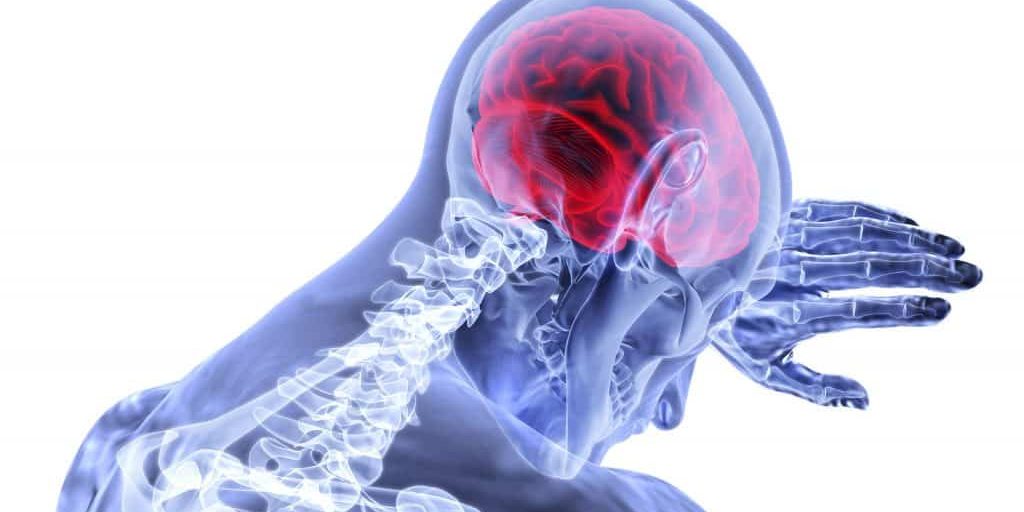
A concussion is a traumatic brain injury with symptoms that do not necessarily appear right away, and can cause long-term problems such as memory loss and cognitive impairment. If you or a loved one has been injured and could have a concussion, you should contact your doctor immediately and seek medical assistance.
In the first hours after an accident, it is common to focus on the pain you can see and ignore how you feel mentally. A concussion can be “quiet” at first, and signs often show up later in the day or the next morning. Pay attention to changes in sleep, memory, focus, and mood.
If you suspect a concussion, protect your health before anything else. Rest, avoid alcohol, and do not return to sports, work hazards, or driving until a medical professional says it is safe.
A concussion may feel manageable in the moment, but pushing through can delay recovery. Follow your doctor’s guidance and limit screens.
WHAT SHOULD YOU DO RIGHT AWAY?
Start with a medical assessment and a clear description of how the injury happened. If you were in a motor vehicle collision, describe the impact, whether your head struck anything, and what you felt immediately afterward.
Keep a short daily note of symptoms, because concussion symptoms can change over time, and early details often matter.
WHEN IS IT AN EMERGENCY?
Seek urgent care if symptoms rapidly worsen, or if you notice severe headache, repeated vomiting, confusion, weakness, or unusual drowsiness.
Tell the doctor if you lose consciousness at any point. Depending on what happened, you may need a CT scan to rule out bleeding or other complications that can be life-threatening.
WHAT CAUSES A CONCUSSION?
Concussions can be caused by a blow to the head or a forceful movement/shaking of the head. Therefore, it is not necessary that the skull be pierced or fractured. Sometimes what looks like a rather trifling event could actually cause a significant concussion in some unfortunate circumstances.
A concussion, therefore, occurs when the head is physically traumatized in some way. In this day and age, concussions are rampant as a result of such things as sports, slips and falls, and car accidents.
WHY A “MINOR” EVENT CAN STILL CAUSE A CONCUSSION
Many concussions happen from rapid acceleration and deceleration rather than a direct strike. The brain can shift inside the skull during a fall or collision.
Even if you only see a small bruise, the concussion can still be significant, and symptoms may not match how “minor” the event looked from the outside.
WHAT IS A CONCUSSION?
Some people believe concussions are minor until they experience one. When we are talking about the brain, nothing is minor. Concussions can also vary significantly in severity, with some people recovering fully, while others face lifelong symptoms that drastically affect their lives.
Additionally, sometimes those who have suffered concussions become more susceptible to a second or third (or greater) concussion.
The severity of symptoms can also be compounded by the number of concussions an injured victim has endured.
A concussion is commonly described as a mild form of tbi, but “mild” does not mean minor. A concussion affects brain function, and it can interfere with work, school, driving, and daily decision-making.
In some cases, a concussion can occur alongside other brain injuries or related head injuries, which is why careful assessment and follow-up are important.
COMMON CONCUSSION SYMPTOMS
The symptoms of a concussion can be physical, cognitive, and emotional. Common concussion symptoms include headache, nausea, sensitivity to light or noise, problems with balance, dizziness, slowed thinking, memory issues, irritability, and trouble concentrating.
Because symptoms can fluctuate, a symptom log can help your doctor track progress and document the concussion.
WHY FOLLOW-UP CARE MATTERS
Some people improve within weeks, while others experience lingering problems that require structured support. Follow-up can include physiotherapy, vestibular therapy, occupational therapy, or cognitive rehabilitation, depending on the concussion and how it affects you.
It is also important to recognize that concussion sits on a spectrum that includes more serious traumatic brain injuries, and worsening symptoms should always be re-assessed. Even when symptoms feel mild, brain injuries deserve careful monitoring.
HOW CAN A PERSONAL INJURY LAWYER HELP?
If you have suffered a concussion, it is important that you receive the best possible treatment. Our personal injury lawyers will help put together the most suitable treatment team to best address your needs as we work on a case-by-case and individualized basis. It is important that your focus is on recovery and that you do not worry about the lawsuit itself.
Concussion claims can be challenging because symptoms are invisible to others and may come and go. We help connect the medical evidence to the real impact the concussion has had on your life, including time off work, reduced function, and the need for treatment and rehabilitation.
BUILDING A WELL-SUPPORTED CASE
A well-supported file often includes clinic notes, referrals, therapy plans, workplace accommodation documents, and a summary of how your concussion affected daily activities. We help you organize this information so the concussion is understood.
You should not have to pay for someone else’s negligence, and you deserve to be compensated if you have been injured at the fault of someone else. Being in an accident of some kind and suffering a concussion can be devastating enough, but recovery does not have to be.
At our law office, we take concussions very seriously and treat all of our clients on an individual basis, avoiding a one-size-fits-all approach. Every case is important to us, and we thrive on making our clients feel whole again.
We assist clients across Southern Ontario, including Milton, Oakville, Dundas, Brantford, Stoney Creek, Burlington, Ancaster, and Cayuga. If you would like a free, no-obligation consult, please do not hesitate to reach out to our office.
Book a Free Consultation
Contact Us Today
WE'RE HERE TO HELP
PERSONAL INJURY LEGAL SERVICES
WE WOULD LOVE TO HEAR FROM YOU
No Obligations, We are here to help you!
Let our experienced and caring legal team help you with your legal needs. We specialize in criminal, real estate, and personal injury files.